
The Father’s Farewell to Work
Wann wird es endlich wieder so, wie es nie warThis flow traces Hermann’s professional identity from institutional leadership through illness to his admission that he will never work again.
increasing Bearing strength in each event
 decreasing
Bearing strength in each eventdecreasingThe Young Director

The Young Director
Taking Charge
Hermann becomes one of Germany’s youngest directors of a state hospital. He takes on Hesterberg and pushes for a new school and a modern clinic.
Public Work
His professional life is demanding and intellectually absorbing. He is most animated when discussing the hospital, its patients, and plans for change.
A New Clinic Realized
A New Clinic Realized
Long Effort
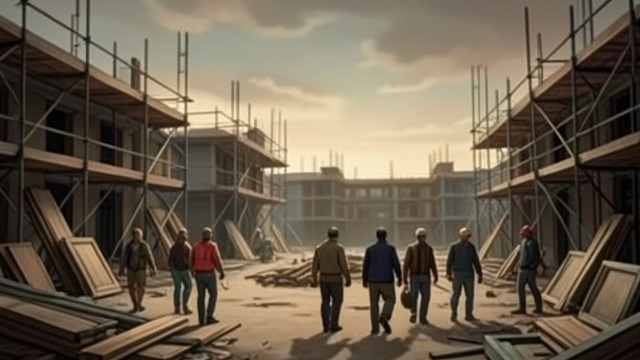
Hermann oversees planning and construction of the new psychiatric hospital building. The project becomes a subject of conversation during meals and walks.
Recognition
The opening ceremony offers a public confirmation of his work. Even the visit of the minister becomes part of the achievement he wants his family to witness.
Work Becomes Impossible
Work Becomes Impossible
Medical Decline
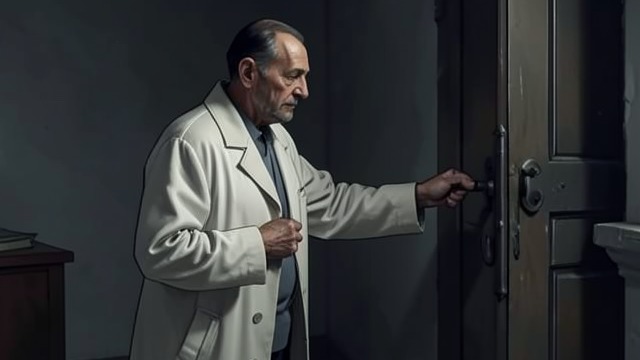
Cancer treatment, pain, and reduced mobility make it impossible for Hermann to continue his rounds and practice. He must clear his office, an experience the narrator understands as deeply painful.
Shame and Identity
Hermann feels that a sick doctor cannot serve children in a small town. The loss of work becomes a loss of the role through which he understood himself.
The Confession in Bed
The Confession in Bed
Grief for Patients
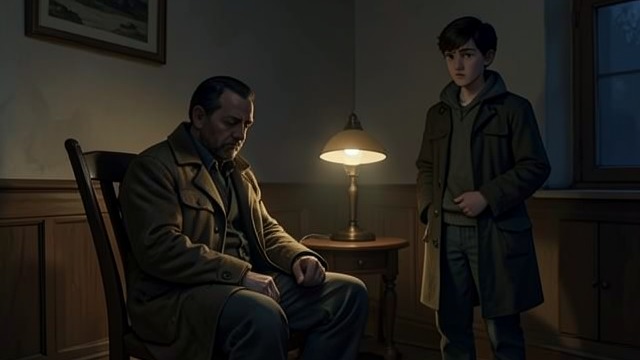
Hermann tells Joachim(Jocki) that he will never work again and that he misses the children he treated. He valued their directness, their wildness, and their unfiltered expression.
A Private Admission
He also speaks of shame, loneliness, and the strain of illness. The son hears the professional director speak as a vulnerable person rather than an authority.
The Last Hospital Weeks
The Last Hospital Weeks
Practical Care
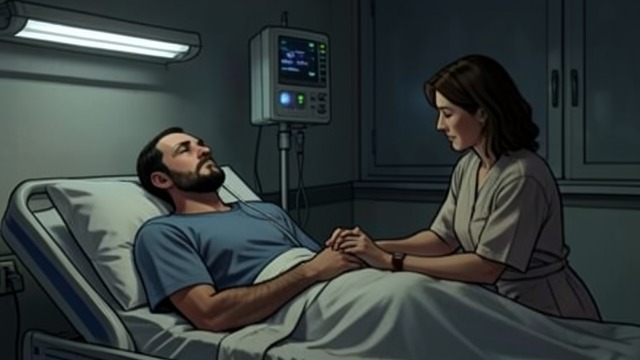
Hermann and his wife endure the final weeks together, managing pain, paralysis, and breathing difficulties. Theoretical knowledge yields to the daily labor of keeping him comfortable.
Acceptance
His wish to die at home is overtaken by a medical emergency and hospitalization. The work of care continues until death, even when no cure remains.
Before Joachim(Jocki) begins school
After four years of construction
After cancer spreads
During a visit in the family home
At the end of Hermann’s illness
